
Embedded Product Development in India:
From Prototype to Production

N
Neork Technologies Team November 27, 2026 • ◷ 7 min read
QUICK ANSWER

Embedded product development is the process of turning an idea for a smart device into a working, certified product. It covers hardware design, firmware, connectivity, testing, certification and manufacturing support. Most delays happen in the move from a working prototype to a reliable product that can be built in volume.
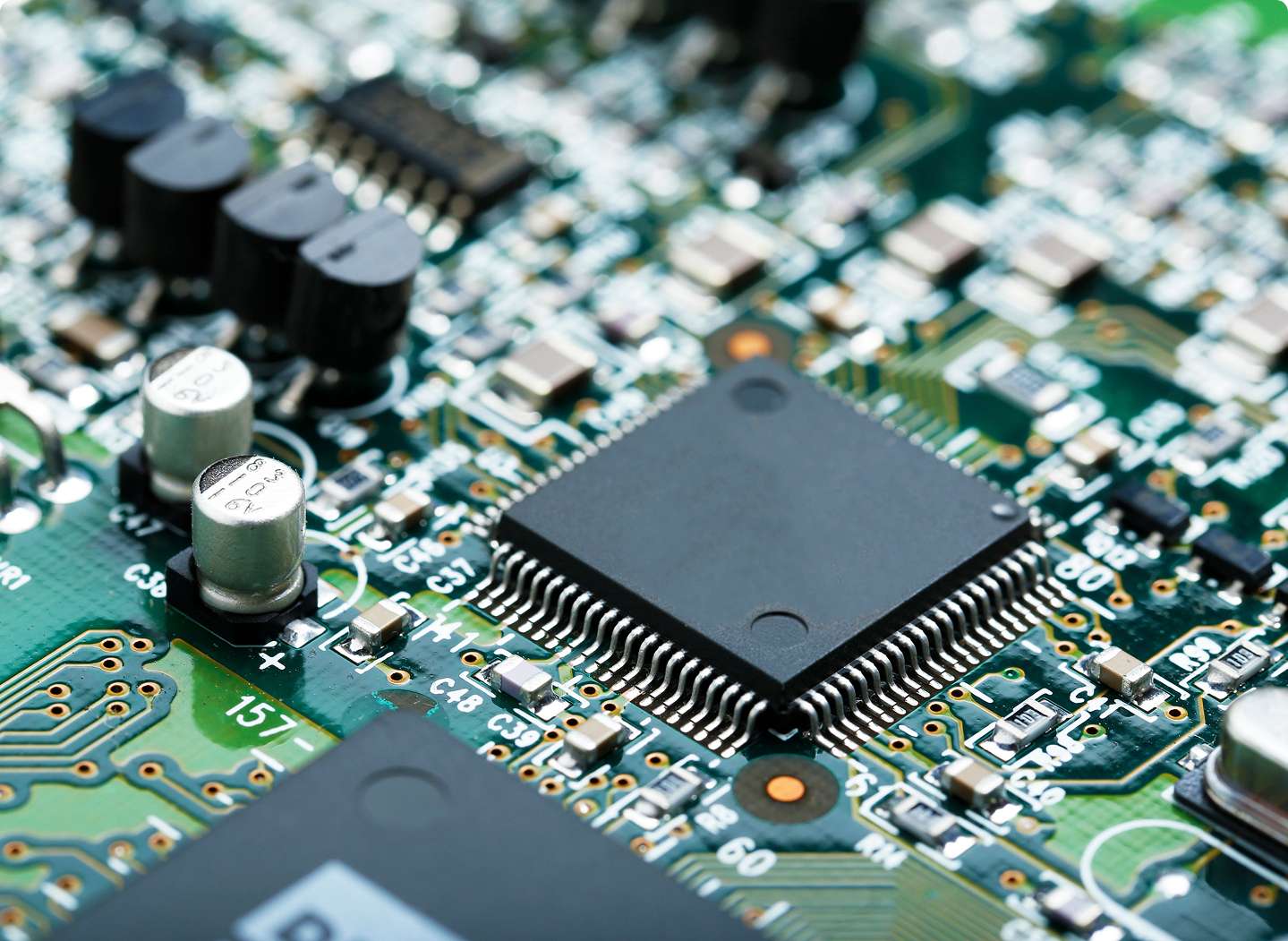
Microchip on a circuit board – embedded product development by Neork Technologies
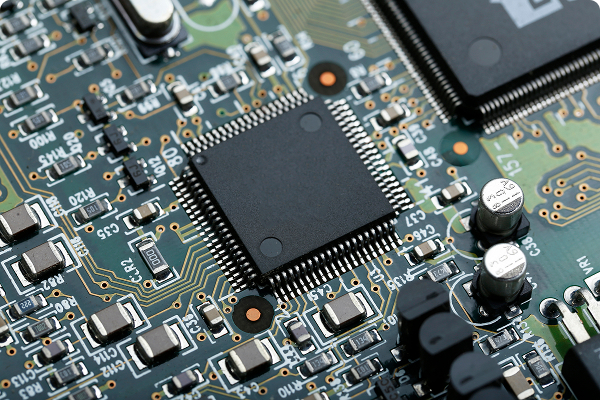
Printed circuit board with a central processor – embedded hardware design
Neork Embedded Systems
NEORK-EMB-01
EMBEDDED PRODUCT DEVELOPMENT

What is embedded product development?

An embedded system is a small computer built into a device to do one job well: for example, a tracker that reports location, a controller that runs a machine, or a reader that opens a door.

Embedded product development brings together three layers that need to be planned as one product.

Hardware

The circuit board, microcontroller, sensors, power design and enclosure.

Firmware

The code that runs on the device: drivers, application logic, power management, security and over-the-air updates.

Cloud & App

Dashboards, alerts and mobile apps that let people manage the device and use its data.

SECTION 01

The stages of embedded product development

A typical embedded product moves through nine stages, from the first idea to volume production and long-term support.

01

Requirements and feasibility

Define what the device must do, where it will be used, its power source, size, target cost and volume. Check that the idea is technically possible within that budget.

02

Architecture and component selection

Choose the microcontroller or processor, sensors, connectivity (Wi-Fi, Bluetooth, LoRa, cellular) and power design. Check component availability and lifetime.

03

Proof of concept

Build a quick test on development boards to prove the core function, such as a sensor reading or a wireless link.

04

Hardware design

Schematic, PCB layout and enclosure, designed for manufacturing and testing.

05

Firmware development

Device drivers, the main application logic, power management, security and over-the-air (OTA) updates.

06

Cloud and app integration

Dashboards, alerts and mobile apps that turn device data into something useful for the business.

07

Testing and validation

Functional, environmental, power, field and long-run tests on real units.

08

Certification

Product safety, wireless and other approvals required for the target market.

09

Pilot production and support

A small batch first, then volume production, with firmware updates and lifecycle support.

Key decisions that decide cost and success

A few early choices shape the cost, power use, reliability and supply risk of an embedded product for years.

Microcontroller & Connectivity

The right chip balances cost, power and performance. Connectivity choice affects range, battery life and running cost.

MCU · Wi-Fi · BLE · LoRa · Cellular

Power Design

Battery devices need firmware and hardware designed together for low power from the start.

Battery · Low Power

Component Supply

Choose parts with good availability and long production life to avoid redesigns.

Availability · Lifecycle

Security

Secure boot, encrypted communication and signed OTA updates protect devices in the field.

Secure Boot · Encryption · OTA

Design for Manufacturing & Testing

Test points and simple assembly reduce production cost and failures when the product moves to volume.

DFM · DFT
”
"Component choice decides cost, power use and supply risk for years, so make these decisions early, not after the prototype works."

— KEY TAKEAWAY

SECTION 03

Firmware vs embedded software: what is the difference?

Both run on the device, but they do different jobs. Most connected products use firmware, and many also use embedded application software on a more powerful processor.

Key Differences

Runs on: firmware runs on microcontrollers with limited memory; embedded application software runs on more powerful processors, often with Linux.
Main job: firmware controls hardware directly in real time; embedded software runs richer features, interfaces and networking.
Typical examples: firmware in sensor nodes, controllers and trackers; embedded software in gateways, smart displays and edge AI devices.
Updates: firmware gets small, carefully tested OTA updates; embedded software gets larger, more frequent updates.
SECTION 04

Testing and certification in India

In India, electronic products may need approvals before sale, depending on the product type. Rules and product lists change, so confirm current requirements early, during the design stage.

BIS Registration

Required for electronic products on the notified list before they can be sold in India.

WPC Approval (ETA)

Needed for products with wireless radios such as Wi-Fi or Bluetooth.

TEC Certification

Applies to telecom equipment covered by the mandatory testing scheme.

Plan Testing Early

Building test time into the plan from the start avoids costly redesigns late in the project.

SECTION 05

How to choose an embedded systems development company

Use these questions when comparing embedded product development partners.

1

Is hardware, firmware and software in one team?

One team for all three layers means fewer hand-offs and faster problem solving.

2

Do they have real products in the field?

Ask for examples of devices the team has built and supported after launch.

3

Do they offer full lifecycle support?

Look for support from concept and prototype to production, testing and firmware updates.

4

Do they understand your industry?

Experience in your sector, such as industrial automation, healthcare or consumer electronics, reduces risk.

5

Is the process clear?

Expect defined milestones, demos and documentation at each stage.

Common mistakes to avoid

✕ Treating a development-board prototype as production-ready.
✕ Choosing components without checking long-term availability.
✕ Leaving power optimisation and security to the end.
✕ No plan for firmware updates after devices are installed.
✕ Separate teams for hardware, firmware and cloud with no shared plan.

How Neork Technologies helps

Neork Technologies is an embedded systems development company at Infopark, Kochi, Kerala. Its team designs embedded hardware, firmware and embedded software, with hardware, firmware and application software expertise in one team. Neork builds embedded solutions for IoT devices, telecommunications, industrial automation, defence and consumer electronics.

The same engineering powers Neork's own IoT products, such as the Asset Live Tracking System and Access Control. Clients such as Infocare have worked with Neork on combined hardware and software requirements. Read more about IoT predictive maintenance.

Get started: have a device idea or a prototype that needs to become a product? Contact Neork Technologies to discuss your embedded project.

FAQ (Frequently Asked Questions)

How long does embedded product development take?

It depends on complexity. A simple connected device can move from idea to pilot in a few months, while products with custom hardware, certification and volume production take longer.

It designs the hardware, writes the firmware and software, tests the device and supports it through production and updates.

Firmware runs close to the hardware on small microcontrollers. Embedded application software runs on more powerful processors and handles richer features.

Many do, depending on the product. Wireless, telecom and listed electronic products usually need approvals before sale, so check requirements early.

Yes. Neork provides complete product lifecycle support: design, prototype, production, testing and lifecycle support.

Ready to Work Together?

We'd love to hear about your project and discuss how we can help bring your vision to life. Get in touch with us today to start the conversation.